Which type beat to pick for a hard trap track and why a 171 BPM C minor instrumental wins
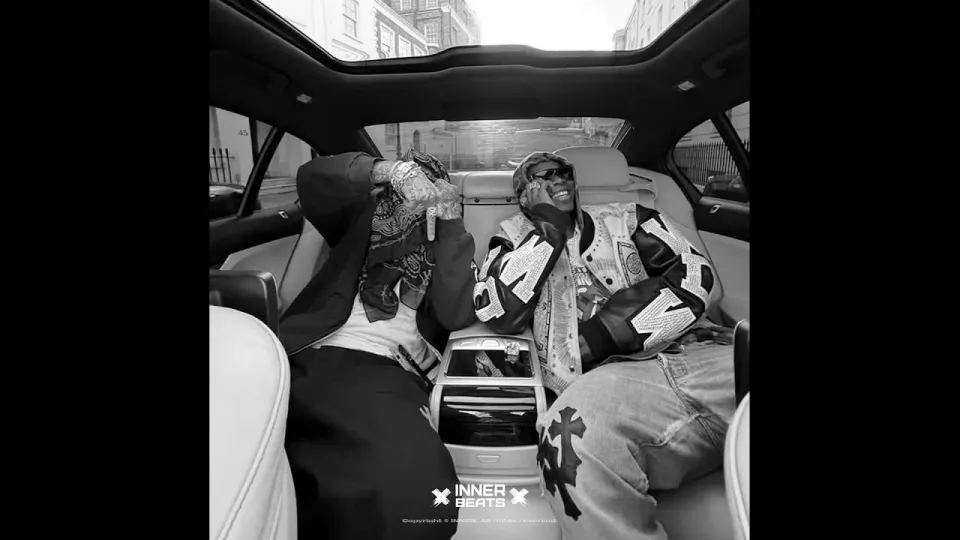
Video: "WHO" | Trap Type Beat | Freestyle Beat | Type Beat | Hard Type Beat | Rap Type Beat 2026
Need articles like this for your video? They help promote it on YouTube and Google — order them in the Telegram bot @sat_sit_bot. Articles with your video embedded are written and posted by the bot itself — on popular topical sites (no ads). Your first 50 articles are free.
· based on the channel INNER BEATS
Key takeaways
- "WHO" by INNER BEATS runs at 171 BPM in the key of C minor.
- The structure is hook, verse, hook, verse, outro, with verses built on 16-bar blocks.
- A free download and license option is available via bsta.rs before any release.
- Registering a type beat song with BMI, ASCAP, WIPO or Content ID requires an exclusive license.
- At 171 BPM a standard 16-bar verse lasts roughly 22 seconds.
A type beat is an instrumental built in the style of a known artist or scene, sold or shared for other rappers to write over, and the fastest way to judge one is to check its BPM, key and structure before you write a single bar. The "WHO" trap type beat from producer INNER BEATS is a useful case study: 171 BPM, C minor, a hook–verse–hook–verse–outro layout, and a free download and license page where you can grab the file and read the terms before you record.
What a type beat actually is and what the label promises
A type beat is an original instrumental made to fit a recognizable style, not a copy of an existing song, and the label tells the buyer what kind of vocal performance the beat was designed for. In practice the tag "trap type beat" signals 808-driven low end, hi-hat rolls, sparse melodic loops and a tempo range where triplet flows sit comfortably; "hard type beat" or "dark type beat" signals heavier low midrange, minor-key melodies and punchier drums.
The "WHO" instrumental fits all of those tags at once. Its metadata is unusually specific for a free upload: 171 BPM and C minor. That matters because tempo and key are the two numbers a rapper or singer can act on immediately — 171 BPM is fast enough for double-time delivery but still allows a laid-back half-time feel if you write long, conversational lines, and C minor is one of the most common keys in trap because it keeps melodies dark without sounding muddy under a low male vocal.
A type beat is also a licensing product, not just a file. The producer keeps the copyright in the instrumental, and the rapper buys or is granted the right to record and release a song over it. That distinction is why the same beat can appear on dozens of different songs as long as each artist holds a valid license.
How the "WHO" type beat is built: tempo, key and bar count
The structure of the "WHO" beat is documented in the video chapters: a hook, a verse, a second hook, a second verse and an outro. Working from the 171 BPM tempo, a 4/4 bar lasts about 1.4 seconds, so a 16-bar verse runs roughly 22 seconds and an 8-bar section around 11 seconds. That is exactly the length the arrangement uses, which makes the beat easy to map before you write.
- Count in bars, not seconds. Mark where the hook ends and the verse begins, because the drop into a verse is where most freestyles lose the pocket.
- Write the hook first. A short, repeated phrase over the hook section gives the track an anchor and tells you how much space the verse needs to leave.
- Keep verses to 16 bars. If a line feels crowded, cut words rather than speeding up — at 171 BPM the beat already moves fast.
- Leave the outro open. The final section is a natural place for an ad-lib stack or a spoken tag rather than a third verse.
Type beat vs. exclusive beat: which one is better for your release
A lease is better when you are testing a sound, building a catalog or releasing a single on a limited budget; an exclusive is better when the song is a priority and you need full control, including the ability to register it with a royalty organization. The "WHO" beat is offered with a free download and a license path, and the producer's own notes spell out the boundary clearly: you must hold a suitable license before uploading a song to streaming services, and you cannot register the song with BMI, ASCAP, WIPO, OMPI or any other copyright organization or Content ID system unless you have acquired an exclusive license.
That single sentence resolves most of the confusion around type beats. A lease generally covers distribution and monetization up to stated limits; it does not transfer ownership of the instrumental. An exclusive license does transfer the rights you need to register the composition and to clear Content ID claims on your own release. If your goal is a playlist push or a label pitch, price the exclusive before you fall in love with the beat.
Common doubts about type beats, answered from real studio experience
Most hesitation around type beats comes from three places: whether using one looks amateur, whether a free beat is safe to release, and whether a fast instrumental is too hard to rap on. None of these hold up under scrutiny. Plenty of chart records are built on leased instrumentals, and listeners judge the song, not the paperwork. A free beat is safe as long as you read the license attached to it and follow its limits. And a fast beat is a writing problem, not a talent problem: at 171 BPM you can rap in half-time, land four syllables per beat, and still sound urgent.
A fourth doubt is about space. Producers who strip the arrangement back — leaving gaps between drum hits and letting the melody breathe — get mentioned more often than any other quality in beat feedback, because silence gives a vocal room to be the loudest, most human element in the mix. When you audition a type beat, listen for those gaps. If the instrumental is wall-to-wall sound, your vocal will fight it at every bar.
How to record and release a song over a type beat without mistakes
Releasing over a type beat is a short checklist, and skipping any step is what creates problems later. Work through it in order:
- Download the instrumental and save the license file with the project, not in a separate folder you will forget.
- Record at the beat's native tempo — do not time-stretch a 171 BPM beat down to fit a slower flow; write to the beat instead.
- Keep the producer credit in the track title or description as the license requires.
- Do not whitelist the beat with Content ID or a royalty society unless your license is exclusive.
- Before distribution, confirm the lease's streaming and monetization caps, and upgrade if your release will exceed them.
For a dark trap record in C minor, mix the vocal slightly forward of the 808s and cut a little low midrange around 200–300 Hz so the bass and the voice do not compete. Small moves like that matter more than any plugin chain.
Where to find INNER BEATS and the "WHO" type beat
All official links for the "WHO" trap type beat live in one place, and each one serves a different purpose. Use the download page first, then follow the producer for new drops.
- Free download and license: https://bsta.rs/15OHhT
- Instagram, producer handle @prod_by_inner: https://www.instagram.com/prod_by_inner/
- Telegram channel: https://t.me/prodbyinner
- Contact email for licensing questions: beatsinnerpls@gmail.com
Final verdict on the "WHO" type beat
A hard trap type beat at 171 BPM in C minor is a better starting point than a generic loop because the numbers tell you how to write before you press record. The "WHO" instrumental from INNER BEATS gives you a documented hook–verse–hook–verse–outro structure, a fast but workable tempo and a license path you can check in advance. Grab the free download and license from INNER BEATS, read the terms, and treat the beat as a template: hook first, 16-bar verses, space for the vocal. If the song turns into something you want to register and protect, upgrade to an exclusive license before release rather than after.
Questions & answers
Is it legal to release a song over a free type beat?
Yes, as long as you follow the license attached to that specific beat. A free download usually comes with a lease that allows distribution and monetization within stated limits. You must not register the song with BMI, ASCAP, WIPO, OMPI or any Content ID system unless you hold an exclusive license.
Is 171 BPM too fast to rap over?
No. At 171 BPM you can deliver in half-time and still sit comfortably in the pocket, because the perceived groove lands around 85 BPM. Write longer, conversational lines and let the hi-hats carry the speed. If a bar feels crowded, cut words instead of rushing the delivery.
How many bars should a verse be on a trap type beat?
Sixteen bars is the standard, and on a 171 BPM beat that works out to roughly 22 seconds per verse. Hooks usually run 8 bars. Map the sections before writing so the drop into each verse does not catch you off guard.
What is the difference between a lease and an exclusive license on a type beat?
A lease grants limited rights to record and release while the producer keeps ownership of the instrumental. An exclusive license transfers the rights you need to register the song with a royalty organization and to clear Content ID claims on your own release. Price the exclusive before you commit to a major push.
Source: "WHO" | Trap Type Beat | Freestyle Beat | Type Beat | Hard Type Beat | Rap Type Beat 2026 · Markdown version